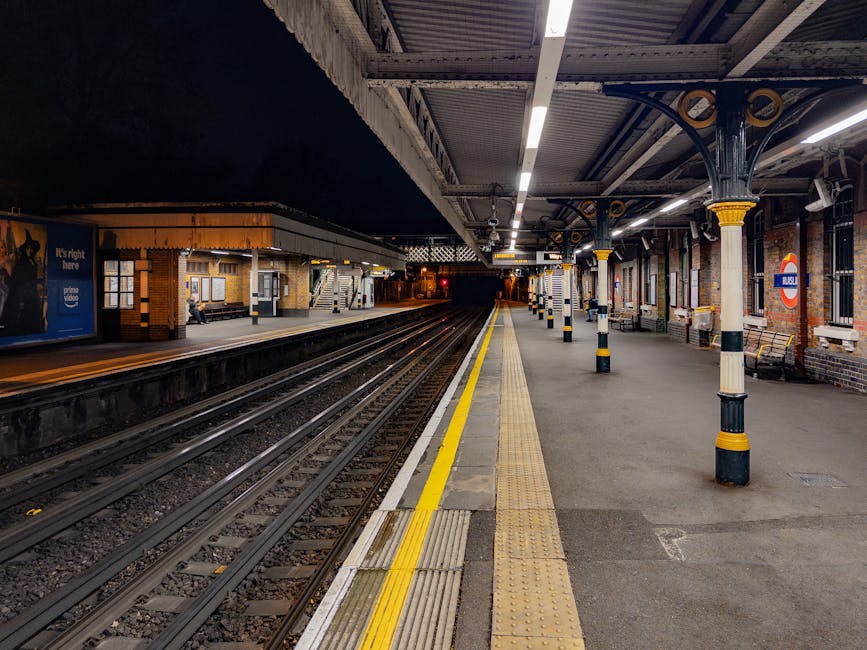
Wandsworth Town station flat cleaning advice for renters
If you rent near Wandsworth Town station, you already know the rhythm: busy mornings, trains humming in the background, rain-speckled windows, and a flat that seems to collect dust faster than you can wipe it. Good Wandsworth Town station flat cleaning advice for renters is not just about making a place look tidy for a viewing. It is about keeping your home comfortable, protecting your deposit, and avoiding the last-minute panic that happens when a tenancy ends and suddenly the oven, skirting boards, and bathroom grout all demand attention at once.
This guide brings together the practical stuff renters actually need. We will cover what matters most before a checkout, how to clean efficiently without wasting money, which tasks tend to trip people up, and when a professional service can be worth considering. There is no magic here, just a sensible system that works in real London flats, where space is tight, time is short, and standards can feel a bit unforgiving.
Table of Contents
- Why this matters
- How it works in a rented flat
- Key benefits and practical advantages
- Who this is for and when it makes sense
- Step-by-step guidance
- Expert tips for better results
- Common mistakes to avoid
- Tools, resources and recommendations
- Law, compliance, standards and best practice
- Options and methods comparison
- Case study
- Practical checklist
- Conclusion
- Frequently asked questions
Why Wandsworth Town station flat cleaning advice for renters Matters
Cleaning advice for renters near Wandsworth Town station matters because the area is a mix of fast-moving commuters, busy households, and smaller flats where dirt and clutter show up quickly. In a compact London property, one neglected corner can make the whole place feel tired. That is especially true when you are preparing for an inspection, a renewal conversation, or a move-out check.
There is also the deposit issue. Let's face it, nobody enjoys the end-of-tenancy process. But if your flat is left with greasy kitchen surfaces, limescale in the bathroom, or marks on carpets and upholstery, the final inventory may not go your way. A proper clean is one of the simplest ways to reduce friction with a landlord or letting agent. It can also help you feel more in control during a hectic move.
Another reason it matters locally is the pace of life around the station. Many renters commute long hours, so cleaning gets pushed to evenings, weekends, or that one frantic Sunday before checkout. A realistic plan saves you from the classic "I'll do it later" trap. Later always arrives with a vacuum in one hand and an unopened box in the other.
Practical takeaway: The best cleaning advice for renters is not about perfection. It is about cleaning the high-risk areas thoroughly, documenting your work, and matching the expectations of your tenancy agreement.
How Wandsworth Town station flat cleaning advice for renters Works
At its core, the process is straightforward: identify the cleaning standard you need, focus on the areas most likely to be checked, and work room by room. That sounds obvious, but in practice people often clean in random bursts. One day it is the fridge. The next day it is a sock drawer. Meanwhile, the oven remains in a state that can only be described as spiritually compromised.
A better approach is to start with three questions: what does your tenancy require, what condition is the flat currently in, and how much time do you actually have? The answer determines whether you need a quick reset, a full deep clean, or a move-out clean that includes carpets, appliances, and detailing.
For many renters, the cleaning process works best in layers:
- Daily or weekly upkeep keeps grime from building up.
- One-off deep cleaning tackles neglected areas such as behind appliances, inside cupboards, and bathroom limescale.
- End-of-tenancy cleaning aims to restore the flat close to move-in condition, subject to fair wear and tear.
If you are staying put, regular cleaning is usually enough. If you are moving out, you need a more methodical approach. That may mean steam carpet cleaning, oven cleaning, upholstery cleaning, or stain removal depending on what the flat needs. The point is not to overclean everything. It is to clean the right things well.
Key Benefits and Practical Advantages
The benefits of a structured cleaning plan are both practical and surprisingly calming. You may not feel it in the moment, especially when the bathroom mirror is covered in toothpaste specks, but a clean flat changes how the whole place functions.
- Better deposit prospects: A tidy, well-cleaned flat is easier to inspect and less likely to trigger avoidable deductions.
- Less stress before checkout: You avoid the "two-hour panic clean" that usually ends with one clean room and three untouched ones.
- Improved day-to-day comfort: Clean kitchens, fresh upholstery, and dust-free surfaces make smaller flats feel more liveable.
- Better presentation for new tenants or viewings: If you are between tenancies, cleanliness helps the property feel cared for.
- More efficient time use: A planned clean is faster than random scrubbing because you are not double-backing on tasks.
There is also a subtle benefit that people underestimate: a clean flat changes your mood. You walk in, put your keys down, and things feel settled. The smell is fresher. The light looks better. Even a small one-bed near the station can feel noticeably larger once the dust and clutter are dealt with.
If you are comparing professional support options, it helps to understand what different services are meant to do. For example, deep cleaning is usually broader and more intensive than standard upkeep, while end of tenancy cleaning is aimed at move-out standards and checkout expectations. The right choice depends on your timeline and what kind of finish you need.
Who This Is For and When It Makes Sense
This advice is useful for a few different types of renters. First, there are people who have just moved into a flat near Wandsworth Town station and want to know how to keep it under control from day one. Second, there are tenants preparing for an inspection or renewal and trying to avoid a warning email. Third, there are people at the end of a tenancy who need to clean properly without wasting money on the wrong tasks.
It also makes sense if you live in a flatshare. Shared homes are tricky because cleaning standards can drift in different directions. One person thinks wiping the hob counts. Another thinks the skirting boards should be practically auditioning for a showroom. Truth be told, flatshares often need a bit of structure, otherwise the same jobs circulate forever.
You may not need all of this if your landlord is relaxed and your flat is already in good shape. But if you have carpeted bedrooms, pets, a busy kitchen, or a long tenancy behind you, this guidance becomes much more useful. It is especially relevant for tenants who want to stay on top of things without overcommitting to expensive services every month.
Step-by-Step Guidance
1. Start with the tenancy documents
Read the inventory, check your tenancy agreement, and note any specific cleaning expectations. Some agreements refer to professional cleaning at move-out, though the details can vary and should be read carefully. The important thing is not to guess. Check what was recorded at check-in and compare it with the current condition of the flat.
2. Work from top to bottom
Dust falls. It really does. So begin with higher surfaces such as shelves, curtain rails, light fittings, and tops of cupboards before tackling floors. This saves time and prevents double work. A flat near the station can gather surprisingly fine dust from everyday foot traffic and open windows, so don't be surprised if the wipe cloth is darker than expected.
3. Focus on kitchen hotspots
The kitchen is where many deposits live or die, let's be honest. Clean inside and outside the oven, degrease splashbacks, wipe the fridge seals, disinfect handles, and do not ignore the extractor hood. If you have a dishwasher, clean the filter. If you do not, check under sink units for damp smells or crumbs. Tiny things. Big impact.
4. Tackle the bathroom properly
Bathroom cleaning is about removing soap scum, limescale, mould spots, and residue around taps, sinks, toilets, and shower screens. Use the correct products for the surface and allow enough time for them to work. Rushing usually means scrubbing harder than necessary, which is how people end up with sore wrists and no better result.
5. Deal with floors and soft furnishings
Vacuum carpets slowly, especially along edges and under furniture. If there are stains, treat them carefully rather than flooding the area. For hard floors, use the right mop and avoid leaving streaks. If your flat has fabric sofas, rugs, or mattresses that have picked up odour or staining, a targeted clean may be worth it. In some homes, sofa cleaning or rug cleaning can make a bigger difference than people expect.
6. Finish with details that show care
Wipe light switches, door handles, skirting boards, windowsills, and any obvious marks on walls where that is appropriate. Empty bins, clean mirrors, and open windows for a short time if the weather allows. A flat that smells fresh and looks bright tends to feel more convincing at inspection. Small detail, yes. But these are often the things people notice first.
7. Photograph the result
Once you have finished, take clear photos of each room. If there is any ambiguity later, it helps to have a record. Keep them simple and factual. You are not making an art project. You are protecting yourself.
Expert Tips for Better Results
After cleaning a lot of rented homes, one pattern shows up again and again: people underestimate the prep work. A better result usually comes from clearing clutter first, then cleaning. If the counters are covered in kettle cords, receipts, and three different chargers, the actual cleaning takes twice as long. Annoying, but true.
Use the right product for the job. Mild all-purpose cleaners are useful, but they do not solve everything. Limescale removers help in hard-water bathrooms, while degreasers are better for ovens and splash areas. Test anything strong on a small patch first. Especially on delicate finishes. Better safe than sorry, and cheaper too.
Another good habit is to work in timed blocks. Twenty minutes in one room, then a short break. It keeps you moving and stops the clean from feeling endless. You can get a lot done in one evening if you stay focused. Play some music, open a window, get on with it. Simple.
If you are on a tight move-out schedule, prioritise the areas that tend to be inspected closely: kitchen appliances, bathrooms, flooring, and visible dust on surfaces. Cleaning inside wardrobes is useful, of course, but it will not compensate for a filthy oven tray. That is just how it is.
One more thing: if you are booking professional help, ask what is included. A service like oven cleaning can save a lot of time on the hardest kitchen job, and steam carpet cleaning can be useful where vacuuming alone will not lift embedded dirt. Use the service to solve a specific problem, not just because it sounds tidy on paper.
Common Mistakes to Avoid
- Leaving everything to the final day: That is the biggest one. It almost always creates avoidable stress.
- Cleaning in the wrong order: If you mop floors before dusting shelves, you may end up repeating yourself.
- Forgetting hidden areas: Behind radiators, under beds, inside bins, and around extractor fans are classic misses.
- Using harsh products everywhere: Some surfaces do not like strong chemicals. Always check first.
- Ignoring odour: A flat can look clean but still feel unclean if bins, carpets, or fabrics hold smells.
- Not checking the inventory photos: The move-in condition matters. What was already worn should not be treated as your fault.
- Assuming "clean enough" is enough: For a normal weekly tidy, maybe. For move-out, usually not.
One surprisingly common issue is patch-cleaning only the obvious spots. That works for a quick tidy before visitors, but not for a checkout clean. If one room is done beautifully and the next has dust on the blinds, the overall impression drops fast. These things balance each other out in a way that is frankly unfair, but there we are.
Tools, Resources and Recommendations
You do not need a van full of specialist gear. Most renters can handle the job with a practical kit and a bit of patience. Start with a vacuum, microfiber cloths, a mop, gloves, a bucket, a non-abrasive sponge, and a couple of cleaners suited to your surfaces. A scraper can help with stubborn residue on glass or hob tops, but use it carefully.
For flats with more demanding areas, it may be worth considering targeted services rather than trying to solve everything alone. For example, mattress cleaning can freshen sleep spaces, upholstery cleaning can revive seating, and window cleaning can make a noticeable difference in natural light. If you have a lot of mixed surfaces, a simple one-off cleaning visit can be a sensible middle ground.
For tenants who prefer regular upkeep rather than big clean-ups, regular cleaning or domestic cleaning support can keep the flat manageable. And if you want to understand company values around safety and service, pages like insurance and safety and health and safety policy are useful for trust and peace of mind.
It is also worth checking the company's pricing and quotes page before booking. That way you know what is included, what is optional, and whether the service is suitable for a tenancy deadline. No surprises. Well, fewer surprises anyway.
Law, Compliance, Standards, or Best Practice
Renters in England should approach cleaning with a mix of common sense and documentation. Tenancy agreements, inventories, and check-in/check-out reports are usually the documents that matter most in a dispute. Cleaning expectations should be read against what was recorded at the start of the tenancy. Fair wear and tear is not the same as neglect, and it is sensible to keep that distinction in mind.
If your tenancy mentions professional cleaning, read the wording carefully. It is a good idea to understand what that clause actually requires before you book anything. In many cases, the key question is whether the property is returned to a comparable standard, rather than whether a particular company's invoice is produced. But every tenancy is different, so avoid assuming the wording means the same thing everywhere.
For practical best practice, keep receipts or booking confirmations if you use a professional service, and take before-and-after photos. If something is disputed later, clear evidence is often more helpful than memory. Also, make sure any cleaning work is safe for the materials in your flat. Harsh scrubbing can damage paint, sealants, and soft furnishings, which is not the goal at all.
If you are worried about quality or service expectations, it can help to review a provider's support pages such as complaints procedure, terms and conditions, and payment and security. They are not the most exciting reads, granted, but they do tell you a lot about how a company operates.
Options, Methods, or Comparison Table
Different cleaning approaches suit different tenancy situations. Here is a simple comparison to help you decide what makes sense.
| Option | Best for | Strengths | Limitations |
|---|---|---|---|
| DIY weekly cleaning | Keeping on top of a lived-in flat | Low cost, flexible, easy to maintain | Can miss deep grime and hidden areas |
| DIY deep clean | Pre-inspection or pre-move-out prep | Cheaper than full service, good for detail work | Time-consuming, physically demanding |
| One-off professional clean | Busy renters needing a reset | Efficient, broad coverage, less stress | Higher upfront cost than DIY |
| End-of-tenancy clean | Checkout and handover situations | Designed around move-out expectations | May need extras for carpets, oven, or fabrics |
| Targeted specialist cleaning | Problem areas like carpets, sofas, ovens, or mattresses | Strong results in stubborn zones | Does not replace a full clean on its own |
In real life, many renters combine methods. For example, you might do the main clean yourself and book targeted help for the oven and carpets. That is often the sweet spot. Not too much. Not too little.
Case Study or Real-World Example
A typical example: a tenant living in a two-bedroom flat a short walk from Wandsworth Town station had a move-out inspection booked for Friday morning. By the Wednesday evening, they had cleaned the bathroom twice, reorganised a cupboard that did not need reorganising, and still had not touched the oven. Very normal behaviour, by the way.
They changed the plan. First, they made a room-by-room list. Then they split the work across two evenings: kitchen on one night, bathroom and bedrooms on the next. A vacuum and microfiber cloth handled the general clean. The oven was left to a specialist clean, and the carpets were steam cleaned because there had been years of everyday traffic and the odd coffee spill. They also took timestamped photos once each room was finished.
The useful lesson was not that they spent more. It was that they spent smarter. They avoided trying to do every task themselves in one exhausted burst, and they focused on the items most likely to be noticed at checkout. The flat felt fresher, the handover was calmer, and there was much less back-and-forth after moving out. Simple, really, though it rarely feels simple while you are in it.
Practical Checklist
- Read your tenancy agreement and inventory notes.
- Identify whether you need routine cleaning, deep cleaning, or end-of-tenancy cleaning.
- Clear clutter before you start wiping surfaces.
- Dust top surfaces, shelves, and light fixtures first.
- Clean kitchen appliances inside and out, especially the oven and fridge.
- Remove limescale, soap residue, and marks in the bathroom.
- Vacuum carpets slowly, including edges and under furniture.
- Treat stains and odours on soft furnishings if needed.
- Clean handles, switches, skirting boards, and windowsills.
- Empty bins and check for hidden smells.
- Photograph each room after cleaning.
- Keep receipts if you book any professional services.
If you can tick most of those boxes, you are already ahead of many renters. No drama, no last-minute scramble. Just a cleaner flat and a smoother exit.
Get a free quote today and see how much you can save.
Conclusion
Good Wandsworth Town station flat cleaning advice for renters is really about staying practical. Keep the routine manageable, clean the areas that matter most, and do not leave the big jobs until the end. If you are moving out, work from the inventory and focus on the kitchen, bathroom, floors, and any fabrics that hold dirt or odour. If you are staying, use smaller habits to stop grime from building up in the first place.
The best results usually come from a calm plan, not a frantic one. That is true whether you are cleaning alone, sharing the load in a flatshare, or bringing in extra help for the trickier jobs. A little structure goes a long way in a rented London flat, especially around a busy station area where life moves quickly and the dust somehow keeps pace.
And honestly, once it is done, the difference feels lovely. Fresh air, clear surfaces, a bit of breathing room. That counts for something.
Frequently Asked Questions
What is the best cleaning schedule for renters near Wandsworth Town station?
A weekly clean usually works well for most renters, with extra attention to the kitchen and bathroom. If you have a busy routine or a small flat, short midweek resets can stop grime from building up.
Do I need professional cleaning when moving out?
Not always. It depends on your tenancy agreement, the condition of the flat, and what the inventory shows. Some renters handle everything themselves, while others book targeted or full end-of-tenancy cleaning to reduce stress.
Which areas matter most during an inventory checkout?
Checkouts usually focus on kitchens, bathrooms, floors, windows, visible dust, and any stains or odours. Appliances and soft furnishings can matter a lot too if they were included in the tenancy.
How clean does a rented flat need to be?
The flat should generally be returned in a comparable condition, allowing for fair wear and tear. That means clean, tidy, and free from obvious dirt or damage, not necessarily spotless like a show home.
What should I clean first in a small flat?
Start with clutter, then dust high surfaces, then move to the kitchen and bathroom. Small flats get messy fast, so working top to bottom keeps you from undoing your own work.
Is steam carpet cleaning worth it for renters?
It can be, especially if carpets have visible marks, traffic wear, or lingering smells. It is a stronger option than vacuuming alone, but it is not needed for every tenancy.
How do I deal with oven grease before moving out?
Use a suitable degreasing product, allow it time to work, and scrub carefully. If the oven is heavily built up, a specialist oven clean may save time and give a more reliable result.
What cleaning mistakes can affect a deposit?
Common issues include grease in the kitchen, limescale in bathrooms, stained carpets, missed dust, and bad odours. Poor documentation can also make matters worse if there is a disagreement later.
Should I keep cleaning receipts?
Yes, if you use professional cleaners. Receipts, booking confirmations, and before-and-after photos can be useful if there is a question about the condition of the property at checkout.
What if my flat already had marks or wear when I moved in?
That is where the inventory and your check-in photos matter. If something was present before your tenancy started, it should not be treated the same as new damage or neglect.
Can I mix DIY cleaning with professional help?
Absolutely. Many renters do the main clean themselves and book help for difficult tasks like ovens, carpets, upholstery, or windows. It is often the most sensible approach.
How far in advance should I start cleaning before moving out?
Ideally, begin several days before the handover so you are not rushing. Start with low-effort tasks early, then leave the final detail work for the last day or two.